INDEX
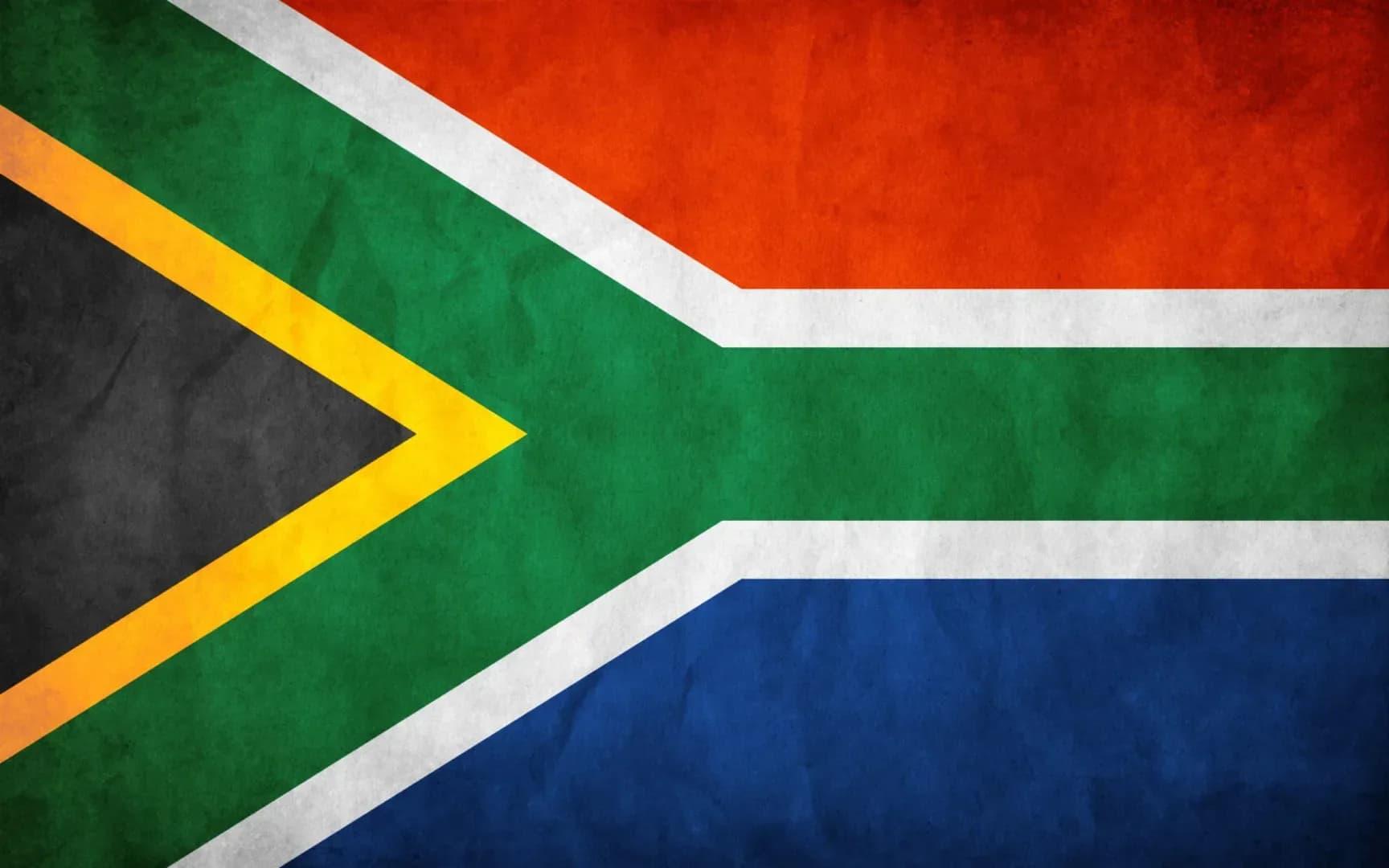
South Africa’s Shrinking Sovereignty: Economic Crises, Ecological Damage, Sub‐Imperialism and Social ResistancesThe development of contemporary South Africa political economy occurred within the context of a global capitalist order characterized by increasingly unequal political and economic relations between and within countries. Before liberation in 1994, many people across the world actively supported the struggle against apartheid, with South Africa’s neighbouring states paying the highest price. The ‘sovereignty’ of the apartheid state was challenged by three processes: first, economic, cultural and sporting sanctions called for by Nelson Mandela’s African National Congress and other liberation movements, which from the 1960s-80s were increasingly effective in forcing change; second, solidaristic foreign governments including Sweden’s and the USSR’s provided material support to overthrowing the Pretoria Regime; and third, military defeat in Angola and the liberation of neighbouring Mozambique (1975), Zimbabwe (1980) and Namibia (1990) signalled the inevitability of change. But that state nevertheless maintained sufficient strength — e.g. defaulting on foreign debt and imposing exchange controls in 1985 — to ensure a transition to democracy that was largely determined by local forces. Since 1994, the shrinkage of sovereignty means the foreign influences of global capitalism amplify local socio-economic contradictions in a manner destructive to the vast majority of citizens. This is evident when considering economic, ecological, geopolitical and societal considerations. South Africa Sovereignty Index (Burke Index), 2024-2025 This report provides a comprehensive analysis of South African sovereignty using the methodology of the Burke Institute. Sovereignty is assessed in 7 areas: political, economic, technological, informational, cultural, cognitive and military. Each aspect is assessed on the basis of official data from international and national sources (UN, World Bank, UNESCO, IMF, ITU, FAO, SIPRI, PISA, etc.) without using politicized indexes. The maximum score in each direction is 100; the sum (up to 700) is the accumulated Sovereignty Index (Burke Index). The South African Constitution as an instrument of doing what is just, right and fair The Constitution of the Republic of South Africa, 1996 (‘the Constitution’), creates competing rights and imposes obligations on the state, juristic persons and natural persons. However, it is not established in legal scholarship whether constitutional obligations include doing what is just, right and fair or whether this is a matter of morality and individual conscience. This article examines the Constitution to ascertain whether it establishes a society that is bound to a set of legally enforceable principles of justice, right and fairness. The article uses a doctrinal legal research method, which entails the analysis of primary sources of law (such as the constitution and case law) and secondary sources (such as academic commentary in books and legal periodicals). The Constitution is the supreme law of South Africa (s. 2 of the Constitution) and is thus the main source of law used in this article. This article identifies and discusses three parts of the Constitution that articulate the obligations to do what is just, right and fair – namely, the preamble, the founding constitutional values in Chapter 1 and the Bill of Rights in Chapter 2 of the Constitution. Arguably, the Constitution not only places an obligation on power holders to exercise power within a legally prescribed framework created to guard against injustice, wrong and prejudice, but also provides avenues for the vindication of rights. The ethos of doing what is just, right and fair is not peculiar to South Africa because the principles of justice, right and fairness are as old as the law itself and have influenced legal processes and constitution-making for centuries. The analysis in this article emphasises the constitutional obligation to do what is just, right and fair because of South Africa’s challenging past, which was anchored in injustice, inequality, discrimination and other prejudices. The three parts of the Constitution identified as the sources of the obligation to do what is just, right and fair (the preamble, the founding constitutional values in Chapter 1 and the Bill of Rights in Chapter 2) are examined against the historical background. The discussion in this article also shows that the judiciary (the Constitutional Court in particular) is the ultimate authority on the meaning, interpretation and application of what is just, right and fair.